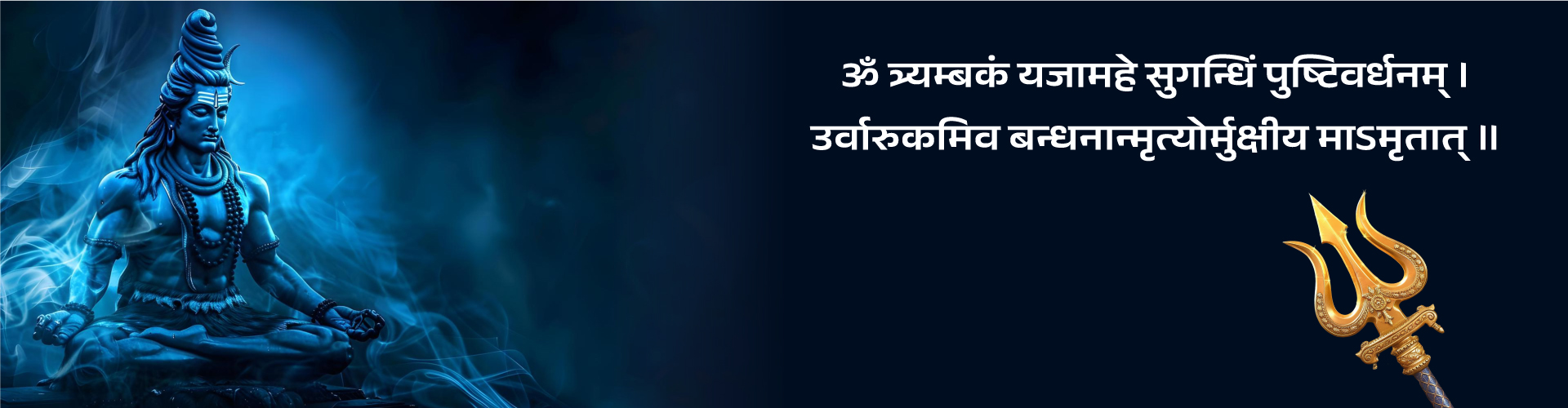
Bhagwan Shiv – Historical and Cultural Information
Bhagwan Shiv, also known as Lord Shiva, is one of the principal deities of Hinduism and a member of the Holy Trinity (Trimurti),
which includes Brahma (the creator), Vishnu (the preserver), and Shiva (the destroyer and transformer).
Historical Background
Lord Shiva is mentioned in some of the oldest Hindu scriptures, including the Vedas, especially the Rigveda,
where he is associated with the deity Rudra. Over time, Rudra evolved into Shiva, symbolizing both fearsome and benevolent aspects.
Cultural Significance
Shiva is worshipped as the supreme yogi (Adiyogi), representing meditation, renunciation, and inner peace.
He is often depicted sitting in deep meditation on Mount Kailash.
Symbols Associated with Lord Shiva
- Trishul (Trident): Represents the three aspects of creation, preservation, and destruction.
- Damru (Drum): Symbolizes the sound of creation.
- Third Eye: Represents wisdom and the power to destroy evil.
- Snake around the neck: Symbol of control over fear and death.
- Ganga River: Flowing from his hair, symbolizing purity and life.
Family
Lord Shiva’s consort is Goddess Parvati, and his sons are Lord Ganesha and Lord Kartikeya.
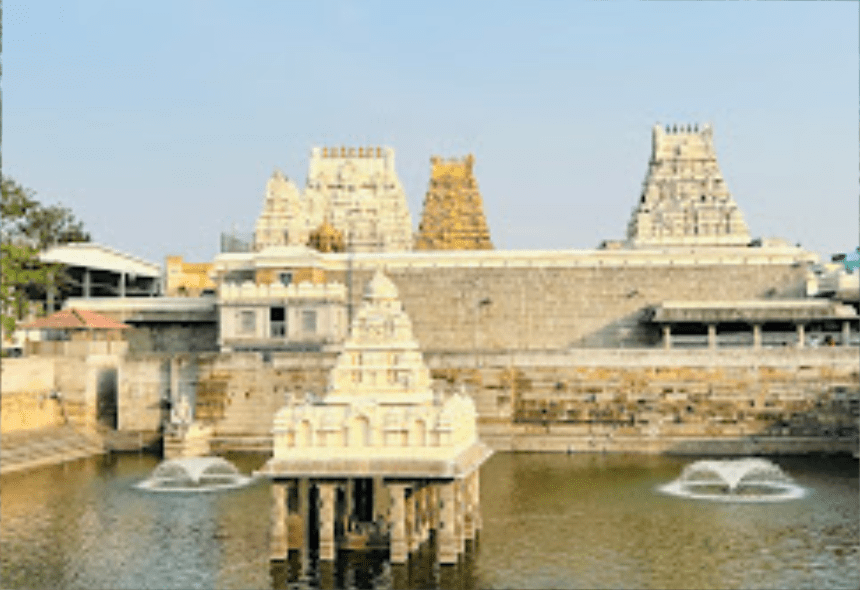
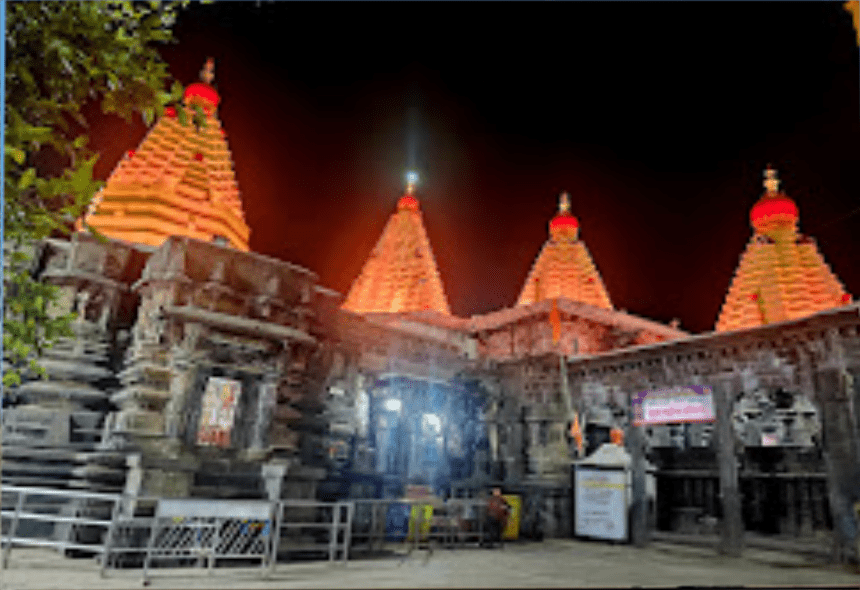
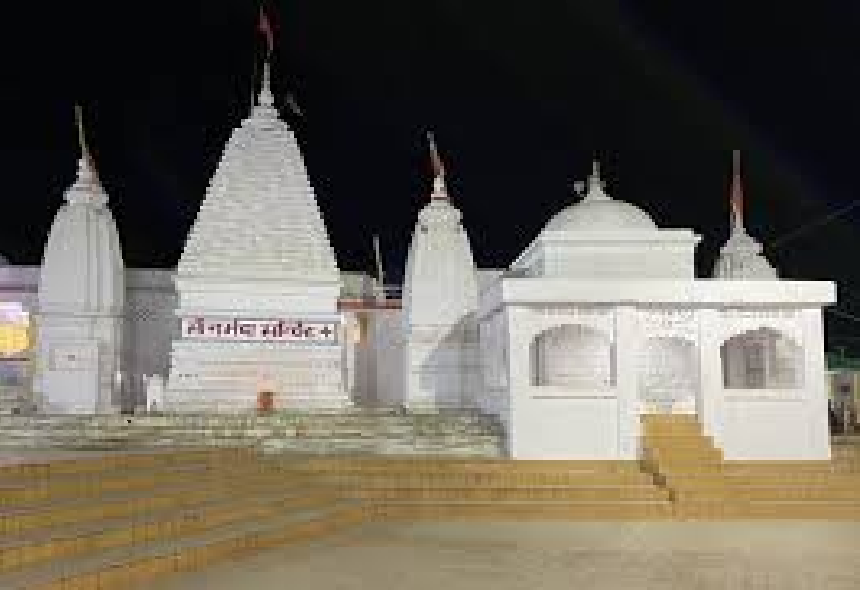
Major Places of Worship
Some of the most important Shiva temples include the 12 Jyotirlingas located across India, such as Somnath,
Kashi Vishwanath, and Kedarnath.
Conclusion
Bhagwan Shiv holds a central place in Hindu history, philosophy, and culture. He represents balance,
destruction of evil, and transformation, making him one of the most revered deities in Indian tradition.