
 December 31, 2025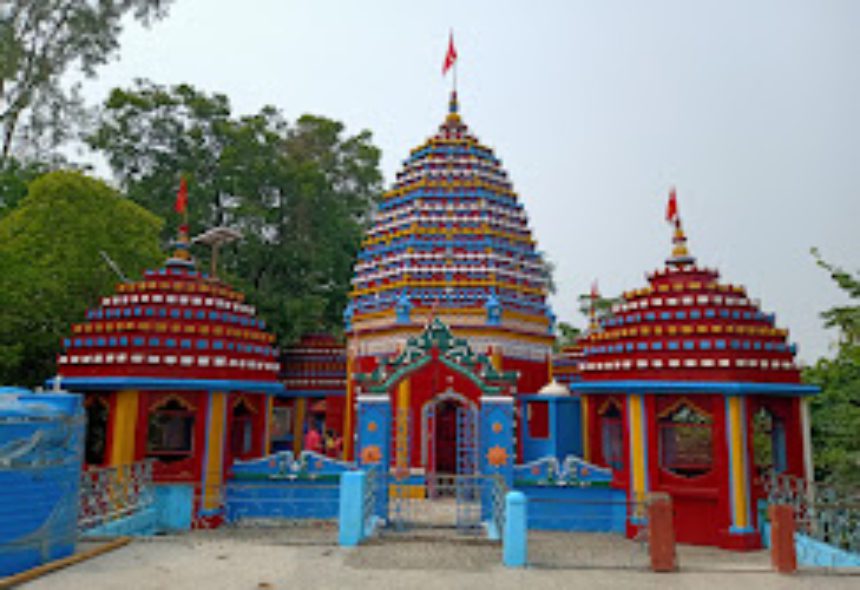
Important Days and Dates
- The Maa Chinnamasta Temple is especially significant during the festivals of Navratri and Durga Puja. Large numbers of devotees also visit during Chaitra Navratri and Ashwin Navratri. Fridays and Tuesdays are generally considered auspicious days for worship of the Goddess. Special rituals and celebrations are observed during these periods.
How to Reach
Delhi to Maa Chinnamasta Temple:
- From Delhi, travelers can reach Maa Chinnamasta Temple primarily by air, rail, or road. The nearest major temple associated with Maa Chinnamasta is popularly known as Chhinnamasta Temple, located near Rajrappa in Jharkhand. One can take a flight from Delhi to Ranchi, and from Ranchi travel by road to Rajrappa (approximately 70–80 km). Alternatively, trains are available from Delhi to Ranchi, Bokaro, or Ramgarh, followed by road transport to the temple.
Ahmedabad to Maa Chinnamasta Temple:
- From Ahmedabad, devotees may travel by flight or train to Ranchi or nearby major railway stations such as Bokaro or Ramgarh. From these cities, taxis and buses are available to reach Rajrappa, where the famous Maa Chhinnamasta Temple is located. Road travel from Ranchi to the temple takes around 2–3 hours depending on the route and traffic conditions.e.
History of the Temple
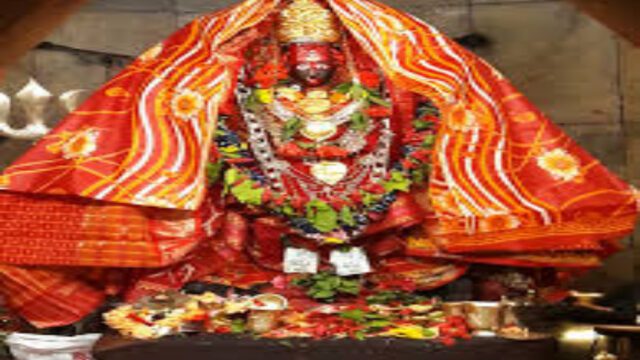
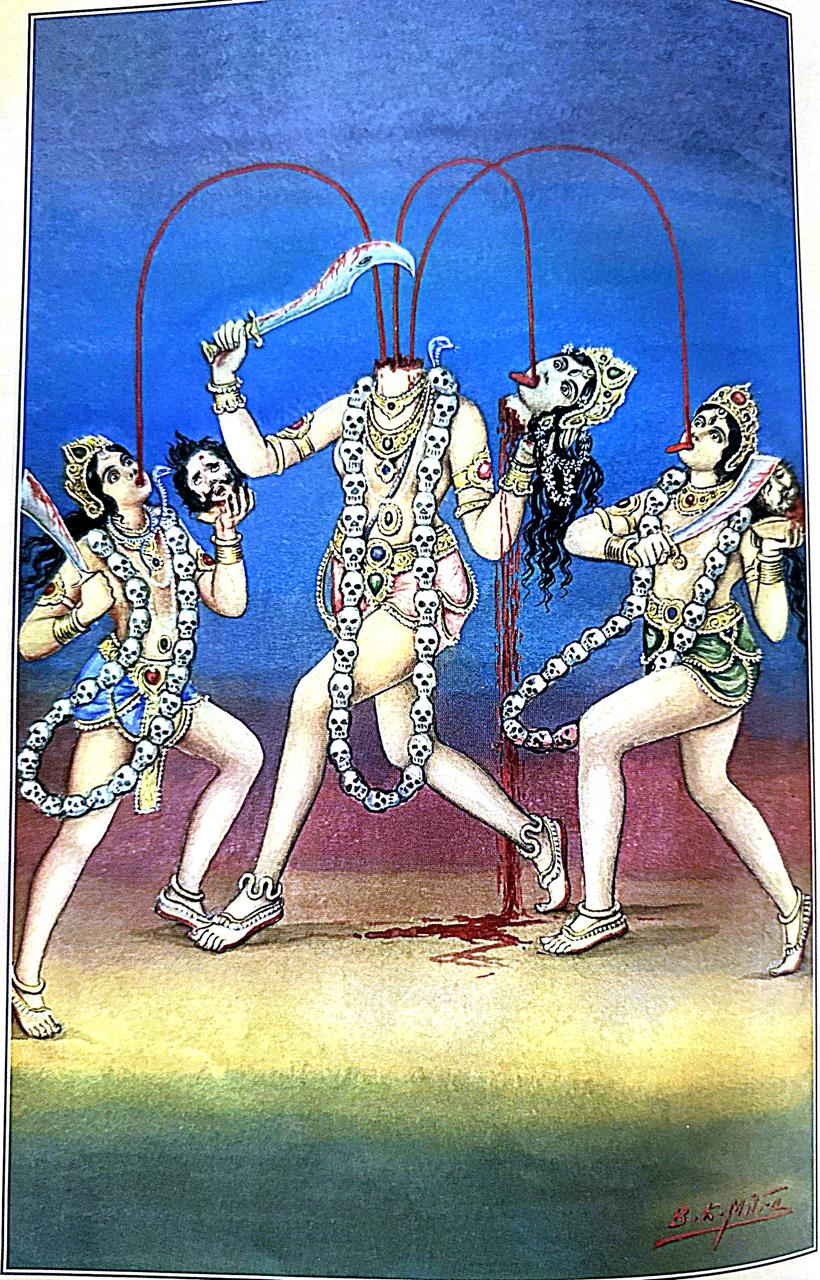
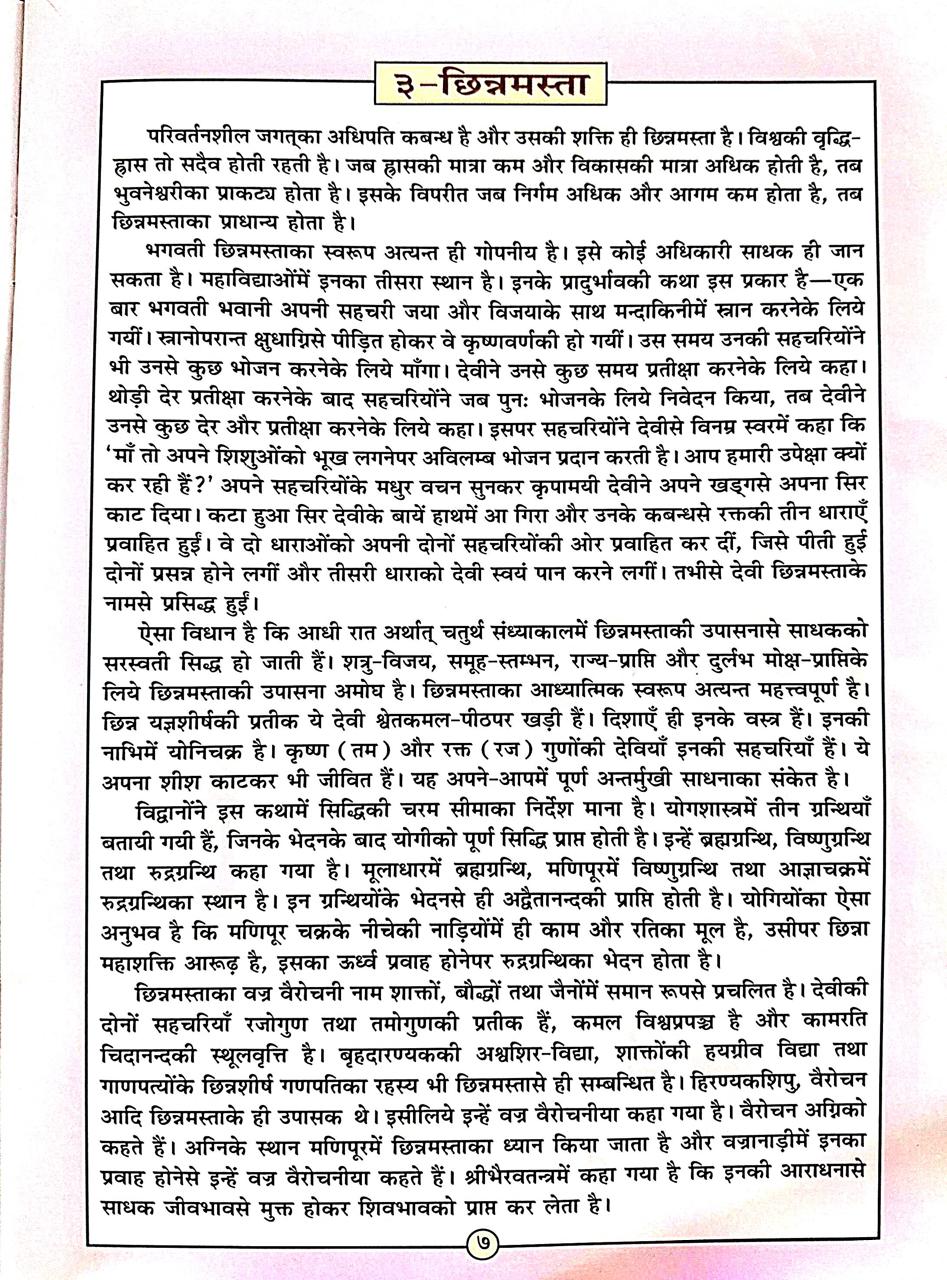
Maa Chinnamasta is one of the ten Mahavidyas in Hindu tradition and is regarded as a fierce and powerful form of the Divine Mother. The Chhinnamasta Temple near Rajrappa in Jharkhand is one of the most prominent shrines dedicated to the Goddess. According to legends, Maa Chinnamasta symbolizes the self-sacrificing aspect of Shakti, depicting the Goddess who severed her own head to nourish her devotees. The temple is situated at the confluence of the Damodar and Bhairavi (Bhera) rivers, which is considered highly sacred. The site has been a major center of Shakti worship since ancient times and is frequented by devotees seeking blessings, protection, and fulfillment of wishes.
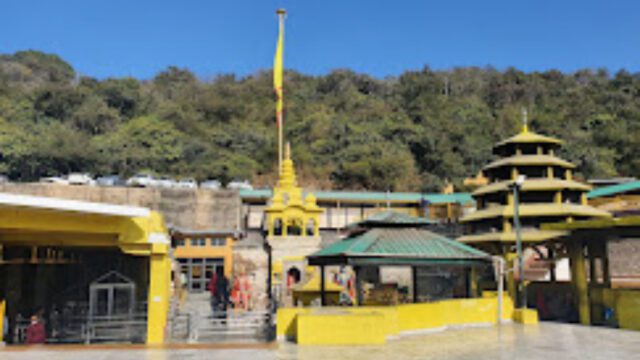
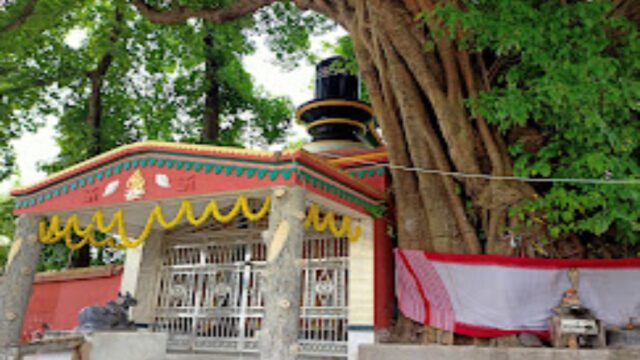
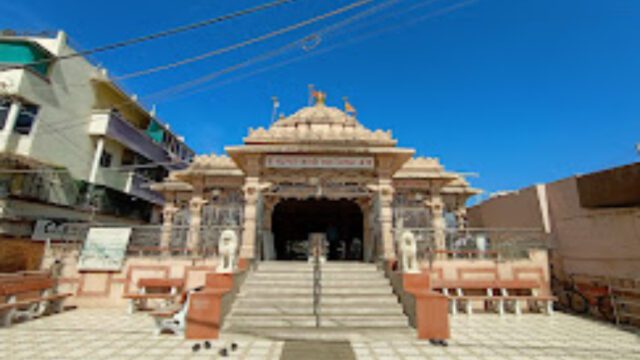
The architecture of the temple is traditional and is associated with Tantric practices and rituals. The temple complex is also known for its fairs and religious gatherings during major festivals, attracting pilgrims from various parts of India. The surroundings of the temple, especially the river confluence, add to its spiritual significance and natural beauty.
Description
Important Days and Dates
- The Maa Chinnamasta Temple is especially significant during the festivals of Navratri and Durga Puja. Large numbers of devotees also visit during Chaitra Navratri and Ashwin Navratri. Fridays and Tuesdays are generally considered auspicious days for worship of the Goddess. Special rituals and celebrations are observed during these periods.
How to Reach
Delhi to Maa Chinnamasta Temple:
- From Delhi, travelers can reach Maa Chinnamasta Temple primarily by air, rail, or road. The nearest major temple associated with Maa Chinnamasta is popularly known as Chhinnamasta Temple, located near Rajrappa in Jharkhand. One can take a flight from Delhi to Ranchi, and from Ranchi travel by road to Rajrappa (approximately 70–80 km). Alternatively, trains are available from Delhi to Ranchi, Bokaro, or Ramgarh, followed by road transport to the temple.
Ahmedabad to Maa Chinnamasta Temple:
- From Ahmedabad, devotees may travel by flight or train to Ranchi or nearby major railway stations such as Bokaro or Ramgarh. From these cities, taxis and buses are available to reach Rajrappa, where the famous Maa Chhinnamasta Temple is located. Road travel from Ranchi to the temple takes around 2–3 hours depending on the route and traffic conditions.e.
History of the Temple
Maa Chinnamasta is one of the ten Mahavidyas in Hindu tradition and is regarded as a fierce and powerful form of the Divine Mother. The Chhinnamasta Temple near Rajrappa in Jharkhand is one of the most prominent shrines dedicated to the Goddess. According to legends, Maa Chinnamasta symbolizes the self-sacrificing aspect of Shakti, depicting the Goddess who severed her own head to nourish her devotees. The temple is situated at the confluence of the Damodar and Bhairavi (Bhera) rivers, which is considered highly sacred. The site has been a major center of Shakti worship since ancient times and is frequented by devotees seeking blessings, protection, and fulfillment of wishes.
The architecture of the temple is traditional and is associated with Tantric practices and rituals. The temple complex is also known for its fairs and religious gatherings during major festivals, attracting pilgrims from various parts of India. The surroundings of the temple, especially the river confluence, add to its spiritual significance and natural beauty.