-
Raghunath Temple
-
 Jammu, Jammu_&_Kashmir
 -
December 29, 2025
-
-
0.00

 December 29, 2025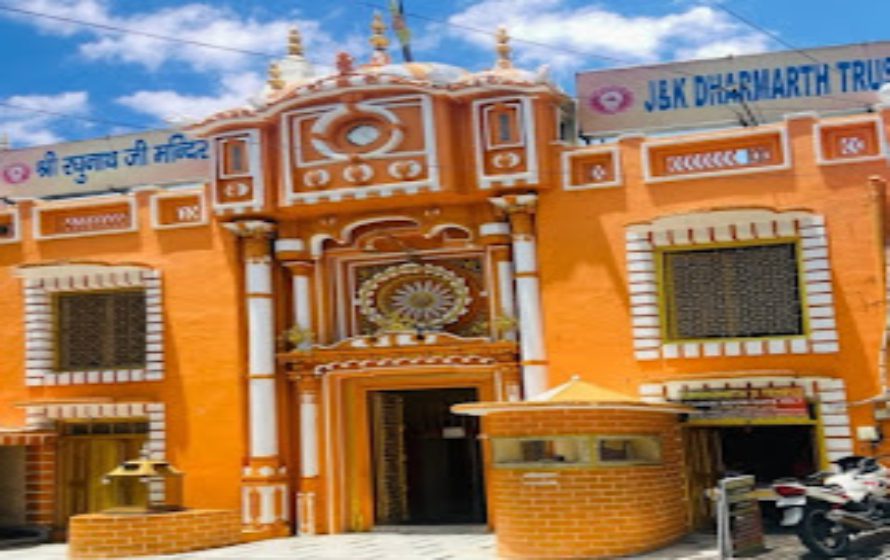
How to Reach
How to Reach from Delhi to Raghunath Temple – Jammu, Jammu & Kashmir
- By Air: Regular flights operate from Indira Gandhi International Airport (Delhi) to Jammu Airport. From Jammu Airport, the temple is approximately 8–10 km away and can be reached by taxi or local transport.
- By Train: Direct trains run from New Delhi to Jammu Tawi Railway Station. From the station, the temple is located within the city and is easily accessible by auto-rickshaw, taxi, or bus.
- By Road: Delhi is connected to Jammu by national highways. Buses and private vehicles can travel via Ludhiana, Jalandhar, and Pathankot to reach Jammu. The approximate road distance is about 580–600 km.
Ahmedabad to Raghunathswamy Temple (Srirangam):
- By Air: Flights operate from Sardar Vallabhbhai Patel International Airport (Ahmedabad) to Jammu, usually via connecting cities such as Delhi or Mumbai. From Jammu Airport, local transport or taxis can be used to reach the temple within the city.
- By Train: Trains from Ahmedabad to Jammu Tawi are available on select routes, often involving a change of train at major junctions such as Delhi or Jaipur. From Jammu Tawi Railway Station, the temple is conveniently reachable.
- By Road: The road journey from Ahmedabad to Jammu is very long (over 1400 km) and usually involves passing through Rajasthan, Haryana, Punjab, and into Jammu & Kashmir. It is recommended only for long-distance travelers or pilgrimage tours.
History of the Temple
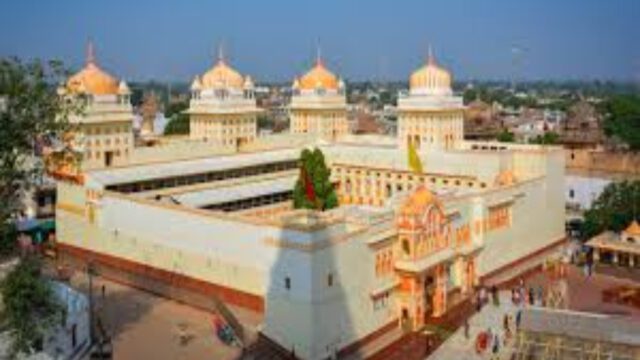
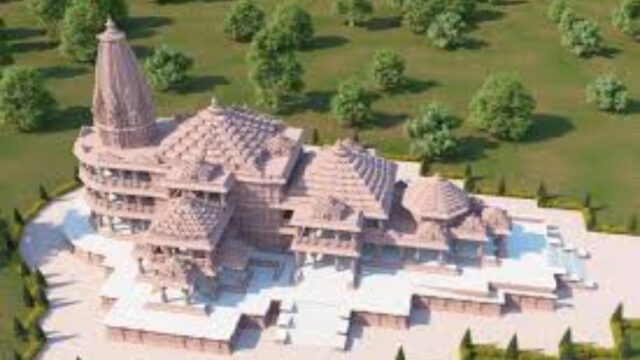
Raghunath Temple, located in Jammu city of the Union Territory of Jammu & Kashmir, is one of the largest temple complexes in North India. The temple is primarily dedicated to Lord Rama (Raghunath), an incarnation of Lord Vishnu. The construction of the temple was started by Maharaja Gulab Singh in 1835 and was later completed by his son Maharaja Ranbir Singh in 1860. The temple complex consists of several shrines dedicated to different deities of the Hindu pantheon, with Lord Rama as the presiding deity.
The architecture of the temple displays a blend of Mughal and traditional North Indian styles, featuring gold-plated spires and intricately carved interiors. The temple also houses a rich collection of ancient scriptures and manuscripts written in various Indian languages. Despite facing periods of turmoil, the temple continues to be a major spiritual and cultural center for devotees visiting Jammu.
Description
How to Reach
How to Reach from Delhi to Raghunath Temple – Jammu, Jammu & Kashmir
- By Air: Regular flights operate from Indira Gandhi International Airport (Delhi) to Jammu Airport. From Jammu Airport, the temple is approximately 8–10 km away and can be reached by taxi or local transport.
- By Train: Direct trains run from New Delhi to Jammu Tawi Railway Station. From the station, the temple is located within the city and is easily accessible by auto-rickshaw, taxi, or bus.
- By Road: Delhi is connected to Jammu by national highways. Buses and private vehicles can travel via Ludhiana, Jalandhar, and Pathankot to reach Jammu. The approximate road distance is about 580–600 km.
Ahmedabad to Raghunathswamy Temple (Srirangam):
- By Air: Flights operate from Sardar Vallabhbhai Patel International Airport (Ahmedabad) to Jammu, usually via connecting cities such as Delhi or Mumbai. From Jammu Airport, local transport or taxis can be used to reach the temple within the city.
- By Train: Trains from Ahmedabad to Jammu Tawi are available on select routes, often involving a change of train at major junctions such as Delhi or Jaipur. From Jammu Tawi Railway Station, the temple is conveniently reachable.
- By Road: The road journey from Ahmedabad to Jammu is very long (over 1400 km) and usually involves passing through Rajasthan, Haryana, Punjab, and into Jammu & Kashmir. It is recommended only for long-distance travelers or pilgrimage tours.
History of the Temple
Raghunath Temple, located in Jammu city of the Union Territory of Jammu & Kashmir, is one of the largest temple complexes in North India. The temple is primarily dedicated to Lord Rama (Raghunath), an incarnation of Lord Vishnu. The construction of the temple was started by Maharaja Gulab Singh in 1835 and was later completed by his son Maharaja Ranbir Singh in 1860. The temple complex consists of several shrines dedicated to different deities of the Hindu pantheon, with Lord Rama as the presiding deity.
The architecture of the temple displays a blend of Mughal and traditional North Indian styles, featuring gold-plated spires and intricately carved interiors. The temple also houses a rich collection of ancient scriptures and manuscripts written in various Indian languages. Despite facing periods of turmoil, the temple continues to be a major spiritual and cultural center for devotees visiting Jammu.