-
Hinglaj Mata (Balochistan)
-
 Pakistan
 -
December 25, 2025
-
-
0.00

 December 25, 2025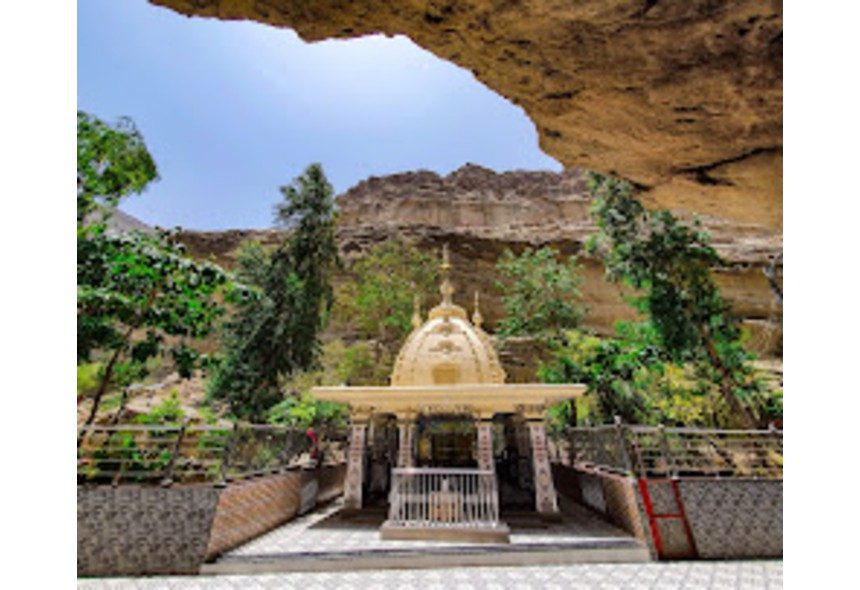
Important Days and Dates
- The main festival is the Hinglaj Yatra, held annually in April.
- Navratri is also observed by many devotees with special prayers.
How to Reach
Delhi to Hinglaj Mata
There is no direct travel route due to international borders. A typical route involves:
- Flying from Delhi to Karachi.
- From Karachi, driving approximately 250–300 km to Hinglaj Mata Temple located in Hingol National Park, Balochistan.
Ahmedabad to Hinglaj Mata
There is no direct travel route due to international borders. A typical route involves:
- Flying from Ahmedabad to Karachi (via international connecting flights).
- From Karachi, driving approximately 250–300 km to Hinglaj Mata Temple.
History of the Temple
Hinglaj Mata Temple, located in the Hingol National Park of Balochistan, Pakistan, is one of the oldest and holiest Shakti Peethas. It is believed to be the place where the head of Goddess Sati fell during Lord Shiva’s Rudra Tandava. The shrine is set inside a natural cave and attracts thousands of devotees every year, especially during the Hinglaj Yatra. The site has been revered for centuries and remains an important pilgrimage destination for Hindus in Pakistan and India.
Main Poojas Performed
-
- Hinglaj Yatra Ritual Worship: Annual pilgrimage involving sacred bathing, offerings, and communal worship..
- Chandragup Mud Volcano Worship: Pilgrims seek permission from Baba Chandragup before temple entry.
- Holy Bath in Hingol River: Ritual purification before darshan.
- Cave Shrine Darshan: Offerings made to the natural stone form of the Goddess.
- Aarti and Bhog: Performed during pilgrimage periods.
Important Days and Times for Pooja
- Auspicious Days:
- Hinglaj Yatra: April (Annual, 4 days)
- Navratri: Chaitra and Sharad Navratri
- Daily Temple Timings:
- Morning and evening (Sandhya)
Attire (Dressing Guidelines) for Pooja
- Men:
- Modest traditional clothing, kurta-pyjama preferred
- Women:
- Saree or salwar-kameez with dupatta
- General:
- No strict dress code, but respectful attire recommended
Official Websites
Government Tourism Portal:
https://www.salampakistan.gov.pk/where-to-go/category/balochistan/location/hinglaj-mata-mandir
Devotional Site:
https://www.matahinglaj.in/
Description
Important Days and Dates
- The main festival is the Hinglaj Yatra, held annually in April.
- Navratri is also observed by many devotees with special prayers.
How to Reach
Delhi to Hinglaj Mata
There is no direct travel route due to international borders. A typical route involves:
- Flying from Delhi to Karachi.
- From Karachi, driving approximately 250–300 km to Hinglaj Mata Temple located in Hingol National Park, Balochistan.
Ahmedabad to Hinglaj Mata
There is no direct travel route due to international borders. A typical route involves:
- Flying from Ahmedabad to Karachi (via international connecting flights).
- From Karachi, driving approximately 250–300 km to Hinglaj Mata Temple.
History of the Temple
Hinglaj Mata Temple, located in the Hingol National Park of Balochistan, Pakistan, is one of the oldest and holiest Shakti Peethas. It is believed to be the place where the head of Goddess Sati fell during Lord Shiva’s Rudra Tandava. The shrine is set inside a natural cave and attracts thousands of devotees every year, especially during the Hinglaj Yatra. The site has been revered for centuries and remains an important pilgrimage destination for Hindus in Pakistan and India.
Main Poojas Performed
-
- Hinglaj Yatra Ritual Worship: Annual pilgrimage involving sacred bathing, offerings, and communal worship..
- Chandragup Mud Volcano Worship: Pilgrims seek permission from Baba Chandragup before temple entry.
- Holy Bath in Hingol River: Ritual purification before darshan.
- Cave Shrine Darshan: Offerings made to the natural stone form of the Goddess.
- Aarti and Bhog: Performed during pilgrimage periods.
Important Days and Times for Pooja
- Auspicious Days:
- Hinglaj Yatra: April (Annual, 4 days)
- Navratri: Chaitra and Sharad Navratri
- Daily Temple Timings:
- Morning and evening (Sandhya)
Attire (Dressing Guidelines) for Pooja
- Men:
- Modest traditional clothing, kurta-pyjama preferred
- Women:
- Saree or salwar-kameez with dupatta
- General:
- No strict dress code, but respectful attire recommended
Official Websites
Government Tourism Portal:
https://www.salampakistan.gov.pk/where-to-go/category/balochistan/location/hinglaj-mata-mandir
Devotional Site:
https://www.matahinglaj.in/