
 December 20, 2025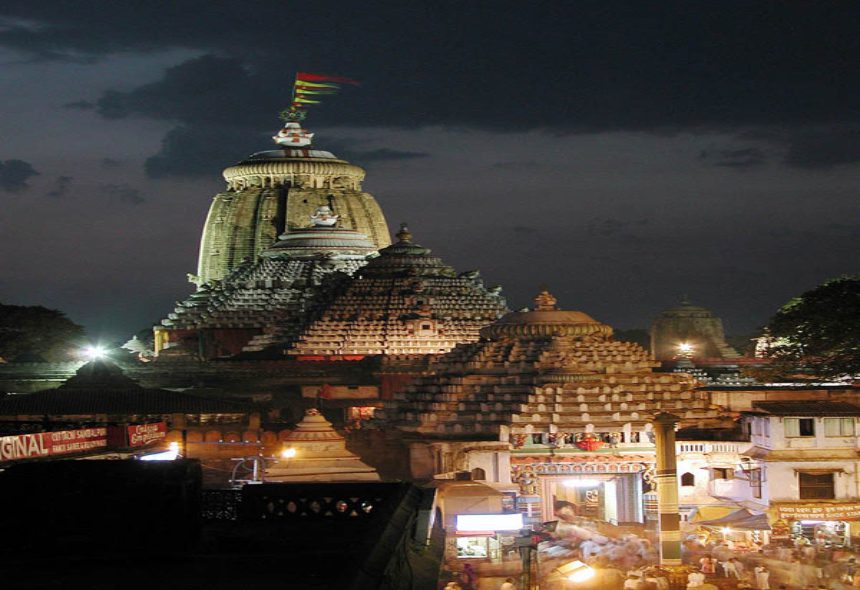
Important Days and Dates
- Ratha Yatra: The most significant festival, held annually in June–July.
- Snana Purnima: The bathing festival of Lord Jagannath, held in June.
- Makar Sankranti: Celebrated in January with special rituals.
- Nabakalebara (Occasional): A rare ritual occurring every 12–19 years involving the renewal of the deities
How to Reach
Delhi to Jagannath Temple – Puri:
- By Air: Flights from Delhi to Bhubaneswar (Biju Patnaik International Airport). Puri is around 60 km from Bhubaneswar and can be reached by taxi or bus.
- By Train: Several trains operate from New Delhi to Puri, including Purushottam Express and Nandan Kanan Express.
- By Road: Direct road journey is long (approx. 1800 km), so flying to Bhubaneswar is preferred.
Ahmedabad to Jagannath Temple – Puri:
- By Air: Flights from Ahmedabad to Bhubaneswar with one-stop or direct options. Puri is easily accessible from Bhubaneswar by taxi or bus.
- By Train: Limited direct trains. One can travel to Howrah/Delhi/Bhubaneswar and take a connecting train to Puri.
- By Road: Very long distance (~2000 km), so air travel is recommended.
History of the Temple
The Jagannath Temple in Puri is one of the most important pilgrimage sites in India and a key part of the Char Dham Yatra. Dedicated to Lord Jagannath (a form of Krishna), Balabhadra, and Subhadra, the temple was built in the 12th century by King Anantavarman Chodaganga Deva of the Eastern Ganga Dynasty.
The temple is renowned for its unique traditions, including the Ratha Yatra, where the deities are taken on massive chariots in a grand procession. The wooden idols of Jagannath, Balabhadra, and Subhadra are replaced periodically during the Nabakalebara ritual.
The temple’s architecture follows Kalinga style, with a towering shikhara and intricately carved structures. The Mahaprasad offered at the temple is considered highly sacred and is prepared in traditional clay pots. The temple remains a symbol of devotion, culture, and heritage in Odisha and India.
1.Main Poojas Performed
- Mangala Aarti – Early morning aarti before sunrise.
- Mailam – Removal of night attire of the deities.
- Abakash – Morning cleansing rituals.
- Surya Puja & Rosha Homa – Worship of Sun and fire ritual.
- Gopala Ballav Bhoga – Morning food offering.
- Sakala Dhupa – Late morning food offering.
- Madhyanha Dhupa – Midday bhoga offering.
- Sandhya Dhupa – Evening aarti and bhoga.
- Badasinghara Besha – Night decoration and offering.
- Khata Seja Lagi & Pahuda – Deities retire for the night.
2.Important Days and Times for Pooja
- Ratha Yatra – Annual chariot festival (June–July).
- Snana Yatra – Ceremonial bathing on Jyestha Purnima.
- Chandan Yatra – 42-day sandalwood festival from Akshaya Tritiya.
- Suna Besha – Deities adorned with gold ornaments.
- Anavasara – Period of rest after Snana Yatra.
- Niladri Bije – Return of deities to sanctum.
3.Attire (Dressing Guidelines) for Pooja
Men:
- Dhoti with kurta or traditional attire.
Women:
- Saree or salwar kameez.
Restrictions:
- Shorts, torn jeans, sleeveless clothes not allowed.
- Mobile phones, cameras, and leather items are prohibited inside the temple.
Official Websites
-
- Official Temple Website:
https://www.shreejagannatha.in
-
- Temple Information Portal: https:
Description
Important Days and Dates
- Ratha Yatra: The most significant festival, held annually in June–July.
- Snana Purnima: The bathing festival of Lord Jagannath, held in June.
- Makar Sankranti: Celebrated in January with special rituals.
- Nabakalebara (Occasional): A rare ritual occurring every 12–19 years involving the renewal of the deities
How to Reach
Delhi to Jagannath Temple – Puri:
- By Air: Flights from Delhi to Bhubaneswar (Biju Patnaik International Airport). Puri is around 60 km from Bhubaneswar and can be reached by taxi or bus.
- By Train: Several trains operate from New Delhi to Puri, including Purushottam Express and Nandan Kanan Express.
- By Road: Direct road journey is long (approx. 1800 km), so flying to Bhubaneswar is preferred.
Ahmedabad to Jagannath Temple – Puri:
- By Air: Flights from Ahmedabad to Bhubaneswar with one-stop or direct options. Puri is easily accessible from Bhubaneswar by taxi or bus.
- By Train: Limited direct trains. One can travel to Howrah/Delhi/Bhubaneswar and take a connecting train to Puri.
- By Road: Very long distance (~2000 km), so air travel is recommended.
History of the Temple
The Jagannath Temple in Puri is one of the most important pilgrimage sites in India and a key part of the Char Dham Yatra. Dedicated to Lord Jagannath (a form of Krishna), Balabhadra, and Subhadra, the temple was built in the 12th century by King Anantavarman Chodaganga Deva of the Eastern Ganga Dynasty.
The temple is renowned for its unique traditions, including the Ratha Yatra, where the deities are taken on massive chariots in a grand procession. The wooden idols of Jagannath, Balabhadra, and Subhadra are replaced periodically during the Nabakalebara ritual.
The temple’s architecture follows Kalinga style, with a towering shikhara and intricately carved structures. The Mahaprasad offered at the temple is considered highly sacred and is prepared in traditional clay pots. The temple remains a symbol of devotion, culture, and heritage in Odisha and India.
1.Main Poojas Performed
- Mangala Aarti – Early morning aarti before sunrise.
- Mailam – Removal of night attire of the deities.
- Abakash – Morning cleansing rituals.
- Surya Puja & Rosha Homa – Worship of Sun and fire ritual.
- Gopala Ballav Bhoga – Morning food offering.
- Sakala Dhupa – Late morning food offering.
- Madhyanha Dhupa – Midday bhoga offering.
- Sandhya Dhupa – Evening aarti and bhoga.
- Badasinghara Besha – Night decoration and offering.
- Khata Seja Lagi & Pahuda – Deities retire for the night.
2.Important Days and Times for Pooja
- Ratha Yatra – Annual chariot festival (June–July).
- Snana Yatra – Ceremonial bathing on Jyestha Purnima.
- Chandan Yatra – 42-day sandalwood festival from Akshaya Tritiya.
- Suna Besha – Deities adorned with gold ornaments.
- Anavasara – Period of rest after Snana Yatra.
- Niladri Bije – Return of deities to sanctum.
3.Attire (Dressing Guidelines) for Pooja
Men:
- Dhoti with kurta or traditional attire.
Women:
- Saree or salwar kameez.
Restrictions:
- Shorts, torn jeans, sleeveless clothes not allowed.
- Mobile phones, cameras, and leather items are prohibited inside the temple.
Official Websites
-
- Official Temple Website:
https://www.shreejagannatha.in
-
- Temple Information Portal: https: