
 December 20, 2025
Important Days and Dates
- Ekadasi (Guruvayur Ekadasi) – One of the most significant festivals celebrated with great devotion.
- Vishu – Marks the Malayalam New Year.
- Janmashtami – Celebrated as the birthday of Lord Krishna with special poojas.
- Chembai Sangeetholsavam – A grand Carnatic music festival held annually.
- Mandala Pooja and other seasonal festivals attract thousands of devotees.
How to Reach
Delhi – To – Guruvayur Temple:
- By Air: Fly from Delhi to Cochin International Airport (approx. 3–4 hours). From the airport, Guruvayur is around 80 km and can be reached by taxi or bus.
- By Train: There are no direct trains from Delhi to Guruvayur. Travelers can take a train to Thrissur and then proceed 28 km by taxi or bus.
- By Road: Long-distance road travel is possible but not preferred due to distance (approx. 2,600 km).
Ahmedabad – To – Guruvayur Temple:
- By Air: Fly from Ahmedabad to Cochin International Airport (approx. 2.5–3.5 hours). Then take a taxi/bus to Guruvayur.
- By Train: No direct trains available. You can travel to Thrissur and then proceed to Guruvayur by road.
- By Road: Distance is approx. 1,900 km and not a preferred option.
History of the Temple
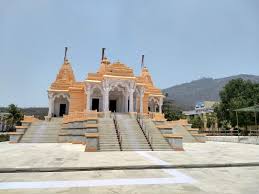
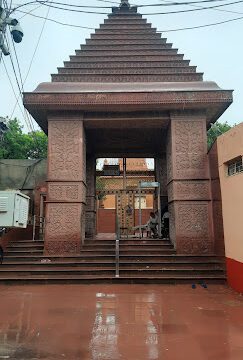
Guruvayur Temple, located in Thrissur district of Kerala, is one of the most revered temples dedicated to Lord Krishna, worshipped here as Guruvayurappan. The temple is believed to be over 5,000 years old and holds immense mythological significance. According to legend, the idol of Lord Krishna enshrined in the temple was worshipped by Lord Brahma and later by Lord Krishna himself in Dwaraka. After the submergence of Dwaraka, the idol was brought to Kerala by Guru (teacher of the gods) and Vayu (wind god), giving the temple its name—Guruvayur.
The temple gained prominence during the reign of the Zamorin kings and continues to be a major pilgrimage center, attracting devotees from across India. Its rituals follow strict traditional customs, maintaining the spiritual sanctity of the temple. The temple is also known for its elephant sanctuary, “Punnathur Kotta,” associated with temple rituals.
Description
Important Days and Dates
- Ekadasi (Guruvayur Ekadasi) – One of the most significant festivals celebrated with great devotion.
- Vishu – Marks the Malayalam New Year.
- Janmashtami – Celebrated as the birthday of Lord Krishna with special poojas.
- Chembai Sangeetholsavam – A grand Carnatic music festival held annually.
- Mandala Pooja and other seasonal festivals attract thousands of devotees.
How to Reach
Delhi – To – Guruvayur Temple:
- By Air: Fly from Delhi to Cochin International Airport (approx. 3–4 hours). From the airport, Guruvayur is around 80 km and can be reached by taxi or bus.
- By Train: There are no direct trains from Delhi to Guruvayur. Travelers can take a train to Thrissur and then proceed 28 km by taxi or bus.
- By Road: Long-distance road travel is possible but not preferred due to distance (approx. 2,600 km).
Ahmedabad – To – Guruvayur Temple:
- By Air: Fly from Ahmedabad to Cochin International Airport (approx. 2.5–3.5 hours). Then take a taxi/bus to Guruvayur.
- By Train: No direct trains available. You can travel to Thrissur and then proceed to Guruvayur by road.
- By Road: Distance is approx. 1,900 km and not a preferred option.
History of the Temple
Guruvayur Temple, located in Thrissur district of Kerala, is one of the most revered temples dedicated to Lord Krishna, worshipped here as Guruvayurappan. The temple is believed to be over 5,000 years old and holds immense mythological significance. According to legend, the idol of Lord Krishna enshrined in the temple was worshipped by Lord Brahma and later by Lord Krishna himself in Dwaraka. After the submergence of Dwaraka, the idol was brought to Kerala by Guru (teacher of the gods) and Vayu (wind god), giving the temple its name—Guruvayur.
The temple gained prominence during the reign of the Zamorin kings and continues to be a major pilgrimage center, attracting devotees from across India. Its rituals follow strict traditional customs, maintaining the spiritual sanctity of the temple. The temple is also known for its elephant sanctuary, “Punnathur Kotta,” associated with temple rituals.