
 December 20, 2025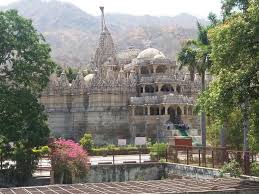
Important Days and Dates
- Mahavir Jayanti – Celebrated with great devotion, marking the birth of Lord Mahavir.
- Paryushan Parva – An important Jain festival observed annually.
- Kartik Purnima – Special rituals and increased pilgrim visits.
- Chaumasi Chaudas – A significant day for Jain devotees.
How to Reach
Delhi to Shri Kesariyaji / Rishabhdev Temple (Ratangarh):
- By Air: Nearest major airport is Udaipur Airport (about 65 km). From the airport, taxis are available to reach the temple.
- By Train: Direct trains are available from Delhi to Udaipur or Falna. From there, one can hire a taxi or take a local bus to the temple.
- By Road: The temple is well connected via NH48. Approx. 670 km from Delhi; private taxis and buses are available.
Ahmedabad to Shri Kesariyaji / Rishabhdev Temple (Ratangarh):
- By Air: Udaipur Airport is the nearest. Flights from Ahmedabad to Udaipur are available daily.
- By Train: Several trains run from Ahmedabad to Udaipur or Dungarpur; taxis/buses are available further.
- By Road: Approx. 245 km from Ahmedabad; easily accessible via private car, buses, or taxis.
History of the Temple
Shri Kesariyaji, also known as the Rishabhdev Temple, is one of the most revered Jain pilgrimage sites, dedicated to Lord Rishabhdev, the first Tirthankara. The temple is located in Ratangarh near Udaipur in Rajasthan.
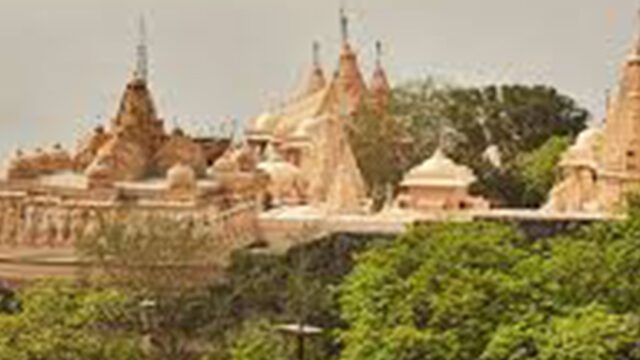
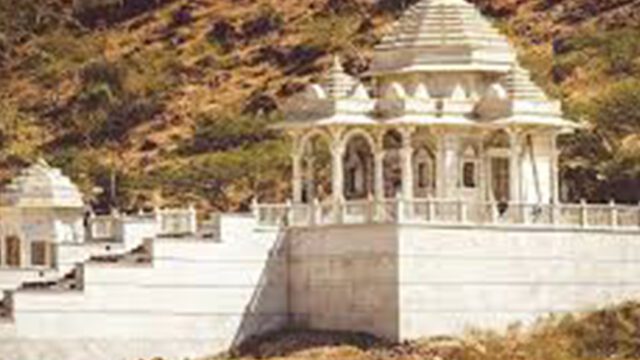
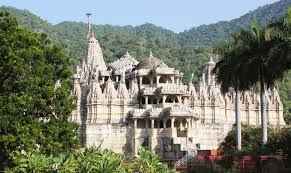
The idol of Lord Rishabhdev is made from a striking black stone, and is popularly known as “Kesariyaji” due to the saffron (kesariya) offerings made by devotees. The temple holds great significance for both Jain and Hindu followers. The temple architecture reflects traditional Mewar style with intricate carvings, silver doors, and beautifully crafted pillars.
Historically, the temple is believed to be many centuries old, with references found in ancient Jain texts and inscriptions. Over time, the temple has become a major center of devotion, attracting pilgrims from across India. The spiritual ambiance, age-old traditions, and cultural heritage make this temple a unique sacred site.
Description
Important Days and Dates
- Mahavir Jayanti – Celebrated with great devotion, marking the birth of Lord Mahavir.
- Paryushan Parva – An important Jain festival observed annually.
- Kartik Purnima – Special rituals and increased pilgrim visits.
- Chaumasi Chaudas – A significant day for Jain devotees.
How to Reach
Delhi to Shri Kesariyaji / Rishabhdev Temple (Ratangarh):
- By Air: Nearest major airport is Udaipur Airport (about 65 km). From the airport, taxis are available to reach the temple.
- By Train: Direct trains are available from Delhi to Udaipur or Falna. From there, one can hire a taxi or take a local bus to the temple.
- By Road: The temple is well connected via NH48. Approx. 670 km from Delhi; private taxis and buses are available.
Ahmedabad to Shri Kesariyaji / Rishabhdev Temple (Ratangarh):
- By Air: Udaipur Airport is the nearest. Flights from Ahmedabad to Udaipur are available daily.
- By Train: Several trains run from Ahmedabad to Udaipur or Dungarpur; taxis/buses are available further.
- By Road: Approx. 245 km from Ahmedabad; easily accessible via private car, buses, or taxis.
History of the Temple
Shri Kesariyaji, also known as the Rishabhdev Temple, is one of the most revered Jain pilgrimage sites, dedicated to Lord Rishabhdev, the first Tirthankara. The temple is located in Ratangarh near Udaipur in Rajasthan.
The idol of Lord Rishabhdev is made from a striking black stone, and is popularly known as “Kesariyaji” due to the saffron (kesariya) offerings made by devotees. The temple holds great significance for both Jain and Hindu followers. The temple architecture reflects traditional Mewar style with intricate carvings, silver doors, and beautifully crafted pillars.
Historically, the temple is believed to be many centuries old, with references found in ancient Jain texts and inscriptions. Over time, the temple has become a major center of devotion, attracting pilgrims from across India. The spiritual ambiance, age-old traditions, and cultural heritage make this temple a unique sacred site.