
 December 19, 2025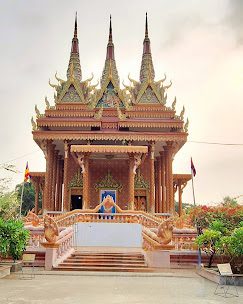
Important Days and Dates
- Buddha Purnima: Celebrated each year (April–May). This is the most significant day marking the birth of Lord Buddha at Lumbini..
- International Buddhist Conferences: Held occasionally around major Buddhist festivals..
- Special Meditation and Prayer Events: Conducted throughout the year in monasteries across Lumbini.
How to Reach
Delhi to Lumbini
- By Air: Fly from Delhi to Gorakhpur Airport (India) or Bhairahawa (Gautam Buddha International Airport, Nepal). From there, Lumbini is about 25 km.
- By Train: Delhi to Gorakhpur by train, then taxi/bus to Lumbini.
- By Road: Delhi → Lucknow → Gorakhpur → Sonauli Border → Lumbini.
Ahmedabad to Lumbini
- By Air: Fly from Ahmedabad to Gorakhpur or Bhairahawa with connecting flights via Delhi. Lumbini is 25 km from Bhairahawa Airport.
- By Train: Ahmedabad to Gorakhpur by long-distance train, then road transport to Lumbini.
- By Road: A long journey via Rajasthan and Uttar Pradesh leading to the Sonauli Border.
History of the Temple
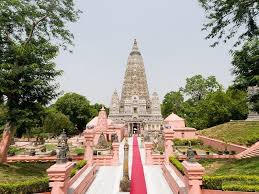
Lumbini, located in the Rupandehi District of Nepal, is the birthplace of Lord Siddhartha Gautama, who later became Gautama Buddha. Historical records, including the inscription on the Ashoka Pillar (erected by Emperor Ashoka in 249 BCE), confirm this sacred site as his birthplace. Lumbini has been a major pilgrimage destination for Buddhists worldwide for centuries.
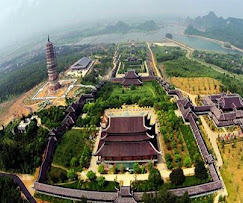
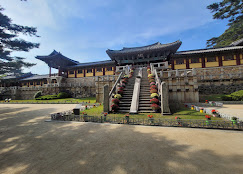
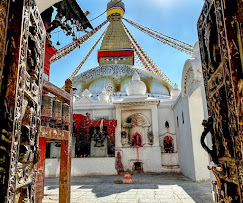
The sacred garden includes the Maya Devi Temple, marking the exact spot where Buddha was born. Archaeological remains from the 3rd century BCE and even earlier indicate continuous reverence. Today, Lumbini is a UNESCO World Heritage Site and features numerous monasteries built by Buddhist communities from around the world.
Lumbini is primarily a Buddhist pilgrimage site and not a Hindu temple. Religious practices follow Buddhist traditions.
Primary Rituals:
- Chanting and Sutra Recitation: Buddhist monks and devotees chant sacred texts.
- Meditation Practices: Silent meditation and walking meditation are central activities.
- Offerings: Flowers, incense, lamps, and fruits are offered at sacred spots.
- Circumambulation: Devotees walk clockwise around sacred monuments as a sign of reverence.
Important Days
- Buddha Jayanti (Vesak): Most important festival, celebrated on the full moon of Baisakh (April/May)..
- Full Moon Days: Regularly observed with prayers and meditation.
- Daily Observance: Pilgrims visit from early morning to evening throughout the year.
Attire Guidelines
- Men:Modest clothing covering shoulders and knees.
- Women:Modest clothing covering shoulders and knees.
- Shoes must be removed before entering sacred areas.
- Avoid revealing or inappropriate attire.
- Maintain silence and respectful behavior in temple zones.
Official Websites
-
- Lumbini Development Trust (Government of Nepal):
https://lumbinidevtrust.gov.np/
-
- UNESCO World Heritage Site – Lumbini:
Description
Important Days and Dates
- Buddha Purnima: Celebrated each year (April–May). This is the most significant day marking the birth of Lord Buddha at Lumbini..
- International Buddhist Conferences: Held occasionally around major Buddhist festivals..
- Special Meditation and Prayer Events: Conducted throughout the year in monasteries across Lumbini.
How to Reach
Delhi to Lumbini
- By Air: Fly from Delhi to Gorakhpur Airport (India) or Bhairahawa (Gautam Buddha International Airport, Nepal). From there, Lumbini is about 25 km.
- By Train: Delhi to Gorakhpur by train, then taxi/bus to Lumbini.
- By Road: Delhi → Lucknow → Gorakhpur → Sonauli Border → Lumbini.
Ahmedabad to Lumbini
- By Air: Fly from Ahmedabad to Gorakhpur or Bhairahawa with connecting flights via Delhi. Lumbini is 25 km from Bhairahawa Airport.
- By Train: Ahmedabad to Gorakhpur by long-distance train, then road transport to Lumbini.
- By Road: A long journey via Rajasthan and Uttar Pradesh leading to the Sonauli Border.
History of the Temple
Lumbini, located in the Rupandehi District of Nepal, is the birthplace of Lord Siddhartha Gautama, who later became Gautama Buddha. Historical records, including the inscription on the Ashoka Pillar (erected by Emperor Ashoka in 249 BCE), confirm this sacred site as his birthplace. Lumbini has been a major pilgrimage destination for Buddhists worldwide for centuries.
The sacred garden includes the Maya Devi Temple, marking the exact spot where Buddha was born. Archaeological remains from the 3rd century BCE and even earlier indicate continuous reverence. Today, Lumbini is a UNESCO World Heritage Site and features numerous monasteries built by Buddhist communities from around the world.
Lumbini is primarily a Buddhist pilgrimage site and not a Hindu temple. Religious practices follow Buddhist traditions.
Primary Rituals:
- Chanting and Sutra Recitation: Buddhist monks and devotees chant sacred texts.
- Meditation Practices: Silent meditation and walking meditation are central activities.
- Offerings: Flowers, incense, lamps, and fruits are offered at sacred spots.
- Circumambulation: Devotees walk clockwise around sacred monuments as a sign of reverence.
Important Days
- Buddha Jayanti (Vesak): Most important festival, celebrated on the full moon of Baisakh (April/May)..
- Full Moon Days: Regularly observed with prayers and meditation.
- Daily Observance: Pilgrims visit from early morning to evening throughout the year.
Attire Guidelines
- Men:Modest clothing covering shoulders and knees.
- Women:Modest clothing covering shoulders and knees.
- Shoes must be removed before entering sacred areas.
- Avoid revealing or inappropriate attire.
- Maintain silence and respectful behavior in temple zones.
Official Websites
-
- Lumbini Development Trust (Government of Nepal):
https://lumbinidevtrust.gov.np/
-
- UNESCO World Heritage Site – Lumbini: