-
Tungnath
-
 Rudraprayag, Uttarakhand
 -
December 19, 2025
-
-
0.00

 December 19, 2025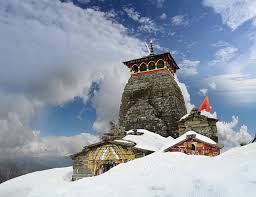
Important Days and Dates
- Temple open only during summer months (April–November, weather dependent)
- Maha Shivaratri – Celebrated with great devotion
- Other auspicious Shiva days draw large pilgrimages
Temple Specific Days
- Opening: Akshaya Tritiya
- Closing: Around Bhai Dooj / Kartik Purnima
- Winter Worship: Makkumath
How to Reach Tungnath Temple
Delhi → Tungnath
- By Air: Delhi → Dehradun (Jolly Grant Airport), then 200 km road to Chopta + 3.5 km trek
- By Train: Delhi → Haridwar / Rishikesh, then road to Chopta
- By Road: Delhi → Rishikesh → Rudraprayag → Ukhimath → Chopta
Ahmedabad → Tungnath
- By Air: Ahmedabad → Dehradun, then road to Chopta + trek
- By Train: Ahmedabad → Haridwar / Dehradun (connecting trains), then road
- By Road: Ahmedabad → Udaipur → Jaipur → Delhi → Rishikesh → Rudraprayag → Chopta
History of Tungnath Temple
Tungnath is one of the highest Shiva temples in the world and a sacred part of
the Panch Kedar temples of Uttarakhand.
According to legend, after the Kurukshetra war, the Pandavas sought Lord Shiva’s
forgiveness. Shiva took the form of a bull and disappeared into the earth,
reappearing at five locations known as the Panch Kedar.
Tungnath is believed to be the place where the arms of Lord Shiva
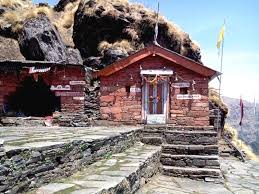
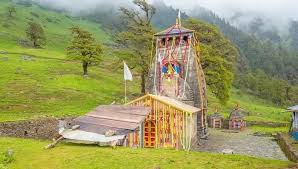
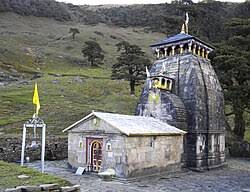
manifested. The temple’s ancient Himalayan stone architecture and high-altitude
setting attract both devotees and trekkers.
- Temple Name: Tungnath
- Significance: Highest Shiva temple in the world, part of Panch Kedar
Main Poojas Performed
- Shivarchana – Daily worship with bilva leaves and Vedic mantras
- Abhishekam – Ritual bathing on special occasions
- Rudrabhishek – Mainly on Mondays and during Shravan month
- Mahamrityunjaya Mantra Pooja – For health and longevity
- Morning & Evening Aarti
Attire Guidelines
- Men: Dhoti-kurta or modest warm clothing; upper body covered
- Women: Saree, salwar-kameez, or long traditional dress
- No footwear or photography inside the sanctum
- Modest dressing mandatory
Official Websites
- Uttarakhand Tourism Development Board (UTDB)
- Badrinath–Kedarnath Temple Committee (BKTC)
Description
Important Days and Dates
- Temple open only during summer months (April–November, weather dependent)
- Maha Shivaratri – Celebrated with great devotion
- Other auspicious Shiva days draw large pilgrimages
Temple Specific Days
- Opening: Akshaya Tritiya
- Closing: Around Bhai Dooj / Kartik Purnima
- Winter Worship: Makkumath
How to Reach Tungnath Temple
Delhi → Tungnath
- By Air: Delhi → Dehradun (Jolly Grant Airport), then 200 km road to Chopta + 3.5 km trek
- By Train: Delhi → Haridwar / Rishikesh, then road to Chopta
- By Road: Delhi → Rishikesh → Rudraprayag → Ukhimath → Chopta
Ahmedabad → Tungnath
- By Air: Ahmedabad → Dehradun, then road to Chopta + trek
- By Train: Ahmedabad → Haridwar / Dehradun (connecting trains), then road
- By Road: Ahmedabad → Udaipur → Jaipur → Delhi → Rishikesh → Rudraprayag → Chopta
History of Tungnath Temple
Tungnath is one of the highest Shiva temples in the world and a sacred part of
the Panch Kedar temples of Uttarakhand.
According to legend, after the Kurukshetra war, the Pandavas sought Lord Shiva’s
forgiveness. Shiva took the form of a bull and disappeared into the earth,
reappearing at five locations known as the Panch Kedar.
Tungnath is believed to be the place where the arms of Lord Shiva
manifested. The temple’s ancient Himalayan stone architecture and high-altitude
setting attract both devotees and trekkers.
- Temple Name: Tungnath
- Significance: Highest Shiva temple in the world, part of Panch Kedar
Main Poojas Performed
- Shivarchana – Daily worship with bilva leaves and Vedic mantras
- Abhishekam – Ritual bathing on special occasions
- Rudrabhishek – Mainly on Mondays and during Shravan month
- Mahamrityunjaya Mantra Pooja – For health and longevity
- Morning & Evening Aarti
Attire Guidelines
- Men: Dhoti-kurta or modest warm clothing; upper body covered
- Women: Saree, salwar-kameez, or long traditional dress
- No footwear or photography inside the sanctum
- Modest dressing mandatory
Official Websites
- Uttarakhand Tourism Development Board (UTDB)
- Badrinath–Kedarnath Temple Committee (BKTC)