-
Madhyamaheshwar
-
 Rudraprayag, Uttarakhand
 -
December 19, 2025
-
-
0.00

 December 19, 2025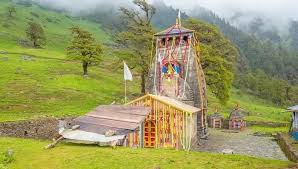
Important Days and Dates
- Temple Opening: May (Kapat Utsav)
- Temple Closing: October (winter worship at Ukhimath)
- Maha Shivratri: Special prayers and rituals
- Shravan Month (July–August): Highly auspicious period
- Temple Open Season: May to October (weather dependent)
How to Reach Madhyamaheshwar Temple
Delhi → Madhyamaheshwar
- By Air: Jolly Grant Airport, Dehradun (approx. 220 km to Ransi)
- By Train: Rishikesh Railway Station (approx. 200 km)
- By Road: Delhi → Rishikesh → Ukhimath → Kalimath → Ransi Village
- Trek: 16 km trek from Ransi Village to the temple
Ahmedabad → Madhyamaheshwar
- By Air: Ahmedabad → Dehradun (direct or via Delhi), then road journey
- By Train: Ahmedabad → Haridwar / Rishikesh, then road
- By Road: Ahmedabad → Delhi → Rishikesh → Ukhimath → Ransi
- Trek: Trek from Ransi Village to Madhyamaheshwar Temple
History of Madhyamaheshwar Temple
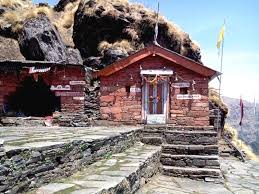
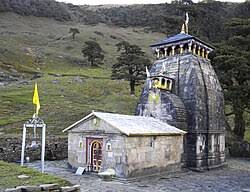
Madhyamaheshwar Temple is one of the sacred Panch Kedar temples of Lord Shiva,
located in the Garhwal region of Uttarakhand at an altitude of approximately
3,497 meters.
According to Hindu mythology, after the Mahabharata war, the Pandavas sought Lord
Shiva to absolve them of their sins. Lord Shiva avoided them by taking the form of
a bull and disappeared underground.
Different parts of the bull appeared at five locations forming the Panch Kedar.
At Madhyamaheshwar, the middle (navel) part of Lord Shiva manifested.
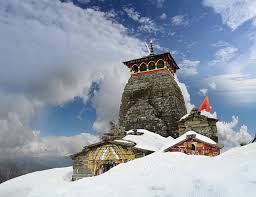
Due to heavy snowfall during winter, the temple remains closed and worship is
conducted at Ukhimath. The temple is renowned for its spiritual importance,
serene environment, and Himalayan beauty.
Main Poojas Performed
Daily Shiva Pooja (Primary)
- Traditional Vedic worship of Lord Shiva
- Includes Abhisheka with water, milk, and Bilva leaves
- Most important daily ritual
Abhisheka Pooja
- Ritual bathing of the deity
- Performed mainly on Mondays and during Shravan month
Rudrabhisheka (Occasional)
- Vedic chanting of Sri Rudram
- Conducted on special occasions and festivals
Attire Guidelines
- Men: Dhoti, kurta, or modest traditional clothing
- Women: Saree or salwar kameez
- No shorts, sleeveless, or revealing clothing
- Footwear not allowed inside temple
- Warm clothing permitted due to cold climate
Official Website
-
Uttarakhand Char Dham Devasthanam Management Board
https://ucdmb.uk.gov.in
Description
Important Days and Dates
- Temple Opening: May (Kapat Utsav)
- Temple Closing: October (winter worship at Ukhimath)
- Maha Shivratri: Special prayers and rituals
- Shravan Month (July–August): Highly auspicious period
- Temple Open Season: May to October (weather dependent)
How to Reach Madhyamaheshwar Temple
Delhi → Madhyamaheshwar
- By Air: Jolly Grant Airport, Dehradun (approx. 220 km to Ransi)
- By Train: Rishikesh Railway Station (approx. 200 km)
- By Road: Delhi → Rishikesh → Ukhimath → Kalimath → Ransi Village
- Trek: 16 km trek from Ransi Village to the temple
Ahmedabad → Madhyamaheshwar
- By Air: Ahmedabad → Dehradun (direct or via Delhi), then road journey
- By Train: Ahmedabad → Haridwar / Rishikesh, then road
- By Road: Ahmedabad → Delhi → Rishikesh → Ukhimath → Ransi
- Trek: Trek from Ransi Village to Madhyamaheshwar Temple
History of Madhyamaheshwar Temple
Madhyamaheshwar Temple is one of the sacred Panch Kedar temples of Lord Shiva,
located in the Garhwal region of Uttarakhand at an altitude of approximately
3,497 meters.
According to Hindu mythology, after the Mahabharata war, the Pandavas sought Lord
Shiva to absolve them of their sins. Lord Shiva avoided them by taking the form of
a bull and disappeared underground.
Different parts of the bull appeared at five locations forming the Panch Kedar.
At Madhyamaheshwar, the middle (navel) part of Lord Shiva manifested.
Due to heavy snowfall during winter, the temple remains closed and worship is
conducted at Ukhimath. The temple is renowned for its spiritual importance,
serene environment, and Himalayan beauty.
Main Poojas Performed
Daily Shiva Pooja (Primary)
- Traditional Vedic worship of Lord Shiva
- Includes Abhisheka with water, milk, and Bilva leaves
- Most important daily ritual
Abhisheka Pooja
- Ritual bathing of the deity
- Performed mainly on Mondays and during Shravan month
Rudrabhisheka (Occasional)
- Vedic chanting of Sri Rudram
- Conducted on special occasions and festivals
Attire Guidelines
- Men: Dhoti, kurta, or modest traditional clothing
- Women: Saree or salwar kameez
- No shorts, sleeveless, or revealing clothing
- Footwear not allowed inside temple
- Warm clothing permitted due to cold climate
Official Website
-
Uttarakhand Char Dham Devasthanam Management Board
https://ucdmb.uk.gov.in